 Delivery all over Switzerland
Domaine André & Lucas Rieffel
Lucas
A family estate in Mittelbergheim that reflects the quiet evolution of Alsace over the past decades, rooted in tradition yet steadily moving toward organic farming and low-intervention winemaking, the domaine now headed by Lucas Rieffel produces precise, terroir-driven wines shaped by both heritage and thoughtful change...

Domaine André & Lucas Rieffel at a glance
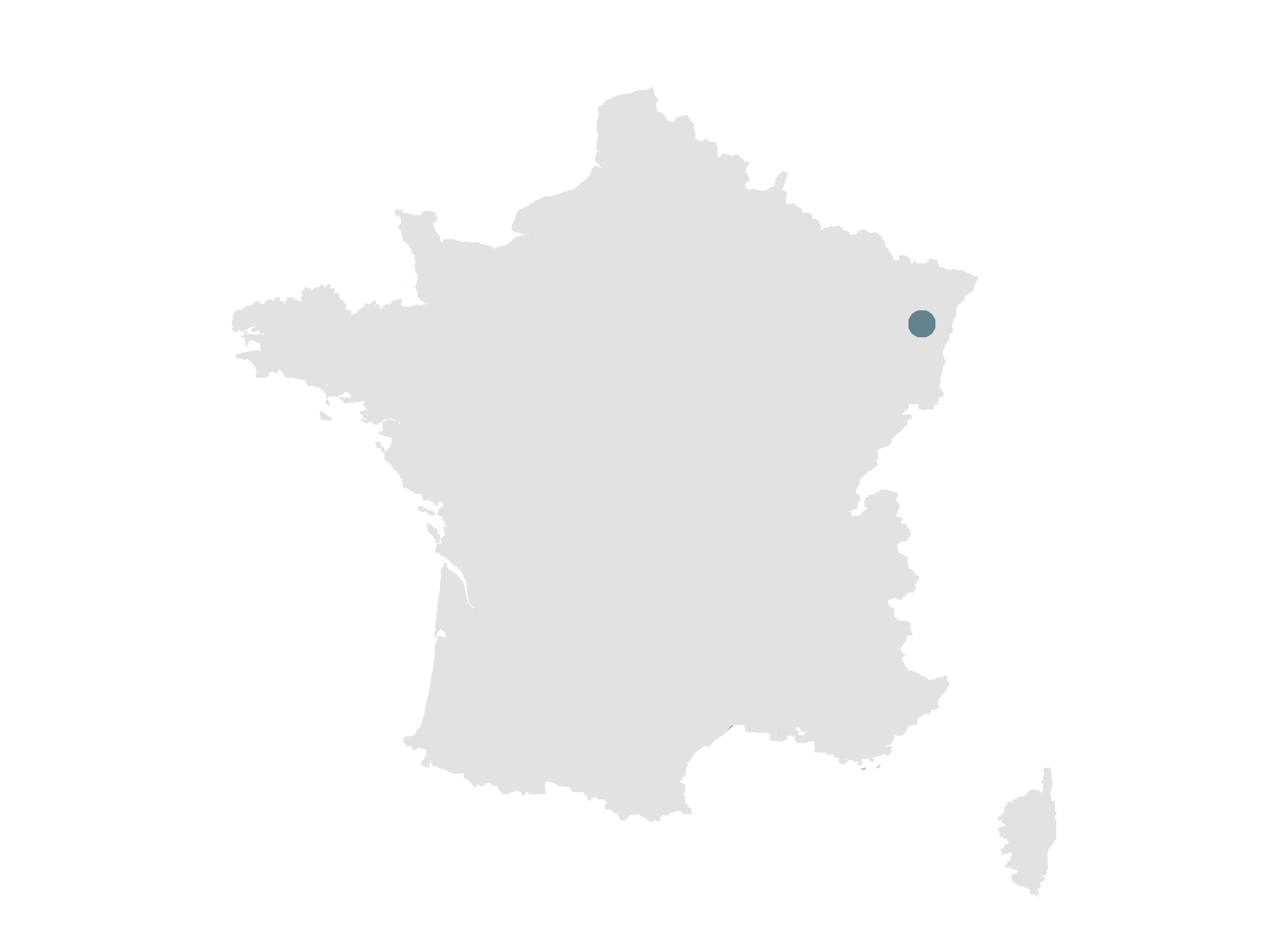
| Country | France |
| Region | Alsace |
| Village | Mittelbergheim |
| Grape varieties | Riesling, Sylvaner, Pinot Noir, Pinot Gris... |
| First vintage | 1946 |
| Vineyard area | 10 hectares |
| Certification | Organic Farming |
| Our favourites | Zotzenberg, Crémant d’Alsace l'Emprise |
Photo credit: Antonin Bonnet
Three generations, one vision
Located in the village of Mittelbergheim, in the heart of Alsace, Domaine André et Lucas Rieffel is a multi-generational family estate whose history dates back to 1946, when Julien Rieffel began bottling and selling his own wines, at a time when polyculture was still the norm in the region. The second generation, led by André Rieffel from 1971, expanded the vineyard and strengthened its focus on wine production, notably through the acquisition of parcels in prestigious sites such as the Grand Cru Kirchberg de Barr.
It is with the arrival of Lucas Rieffel in 1996 that the domaine entered a new phase. Influenced by leading figures of modern Alsace such as André Ostertag, Lucas progressively rethought both vineyard work and cellar practices, moving away from conventional farming toward a more sustainable and expressive approach. The estate, now covering around 10 hectares across Mittelbergheim, Barr and Andlau, includes holdings in key Grand Crus such as Zotzenberg, Wiebelsberg and Kirchberg de Barr, alongside a range of notable lieux-dits. The diversity of soils and exposures allows for a wide palette of Alsatian varieties, with a particular emphasis on Sylvaner, Riesling and Pinot Noir.
Converted to organic farming in the early 2000s and certified from the 2012 vintage, the domaine has steadily refined its practices with a focus on soil life, controlled yields and balanced ripeness. In the cellar, fermentations rely on indigenous yeasts, with gentle extraction, long ageing on lees and a restrained use of sulfur, all aimed at preserving the integrity of the fruit and the expression of each terroir.
Today, Domaine Rieffel stands as part of a broader movement redefining Alsace wines: less driven by technical precision alone, and more focused on authenticity, drinkability and site expression. Without seeking attention, Lucas Rieffel has established a clear and consistent identity, producing wines that combine depth, energy and a strong sense of place.
Domaine André & Lucas Rieffel - the complete range
 Domaine Rieffel
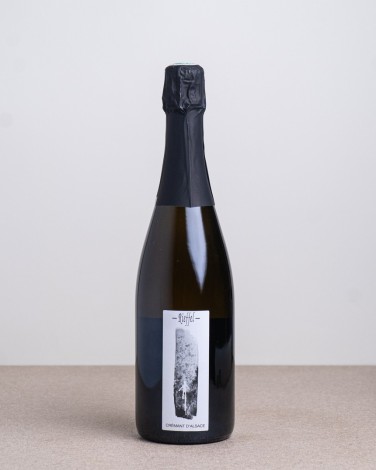
Crémant d'Alsace, 2022
CHF 32.00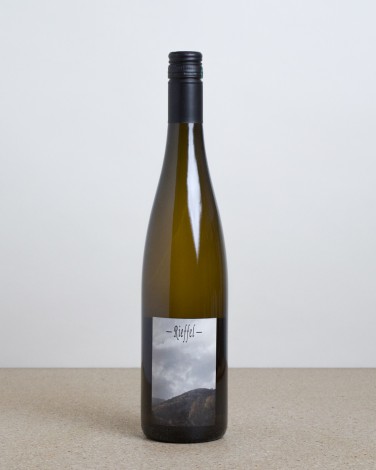 Domaine Rieffel
Riesling Grand Cru Wiebelsberg, 2021
CHF 36.00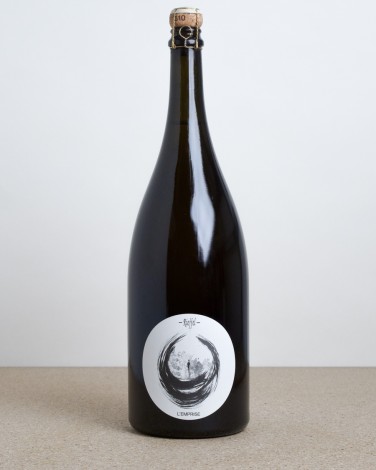 Domaine Rieffel
Crémant d'Alsace L'Emprise Magnum, 2020
CHF 104.00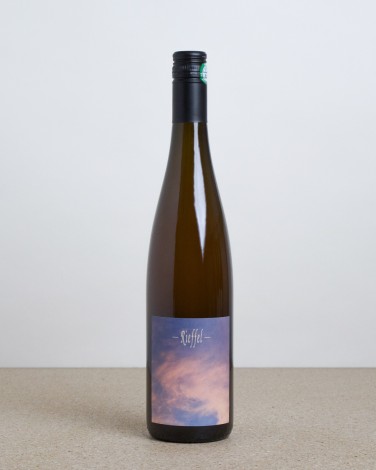 Domaine Rieffel
Lâcher Prise, 2022
CHF 30.00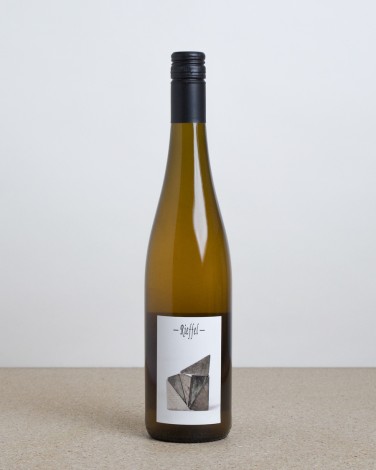 Domaine Rieffel
Sur un Trapèze, 2023
CHF 28.00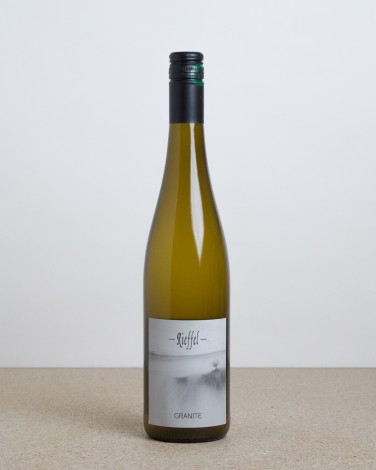 Domaine Rieffel
Granite, 2023
CHF 30.00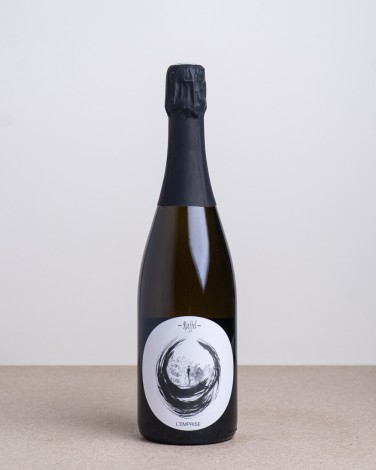 Domaine Rieffel
Crémant d'Alsace L'Emprise, 2019
CHF 42.00
The rise of Alsace’s bubbles
Crémant d’Alsace was officially established in 1976, giving a formal identity to a long-standing tradition of sparkling winemaking in the region. While still wines had long defined Alsace, producers had been experimenting with bottle-fermented wines since the late 19th century, inspired in part by Champagne. The creation of the appellation marked a turning point, setting clear rules for production, including traditional method fermentation and permitted grape varieties such as Pinot Blanc, Auxerrois, Riesling and Chardonnay.
Over the following decades, Crémant d’Alsace steadily grew in both quality and recognition. Its combination of freshness, precision and approachability made it an increasingly important part of the region’s identity, offering an alternative to both Champagne and still Alsace wines. Today, it represents a significant share of total production, reflecting not only its commercial success but also the adaptability of Alsatian terroirs to sparkling wines that balance aromatic clarity with fine, persistent bubbles.
The village of Mittelbergheim, France