 Delivery all over Switzerland
Jorge Latorre Olivera
Jorge
Jorge Olivera is part of a new generation of Spanish vignerons working outside established appellations to revive forgotten landscapes. In the foothills of the Pyrenees, he produces free-spirited, low-intervention wines that reconnect with a nearly vanished viticultural tradition...

Jorge Olivera at a glance
| Country | Spain |
| Region | Aragón |
| Village | Coscojuela de Sobrarbe |
| Grape varieties | Moristel, Parraleta, Garnacha |
| First vintage | 2016 |
| Surface area | Approximately 2 to 3 hectares |
| Farming practices | Organic and biodynamic practices |
| Our favourites | O Baile do Gurrión, Negiro |
In the foothills of the Pyrénées
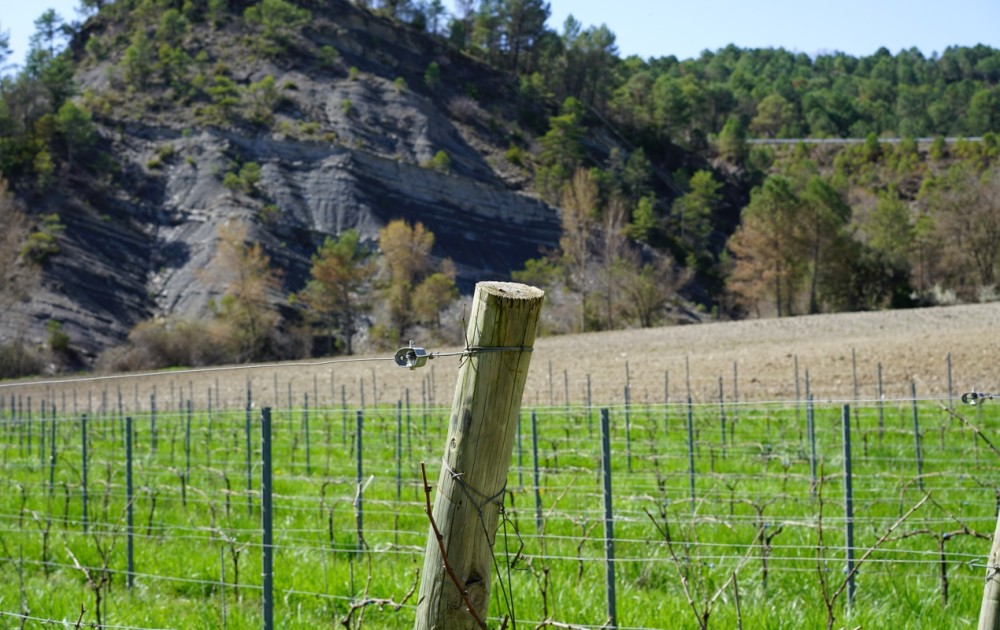
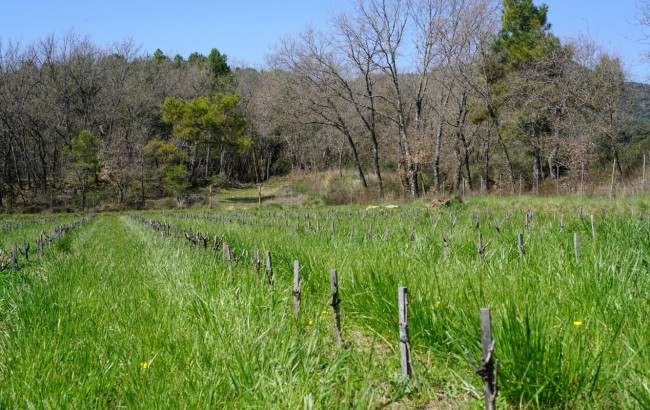
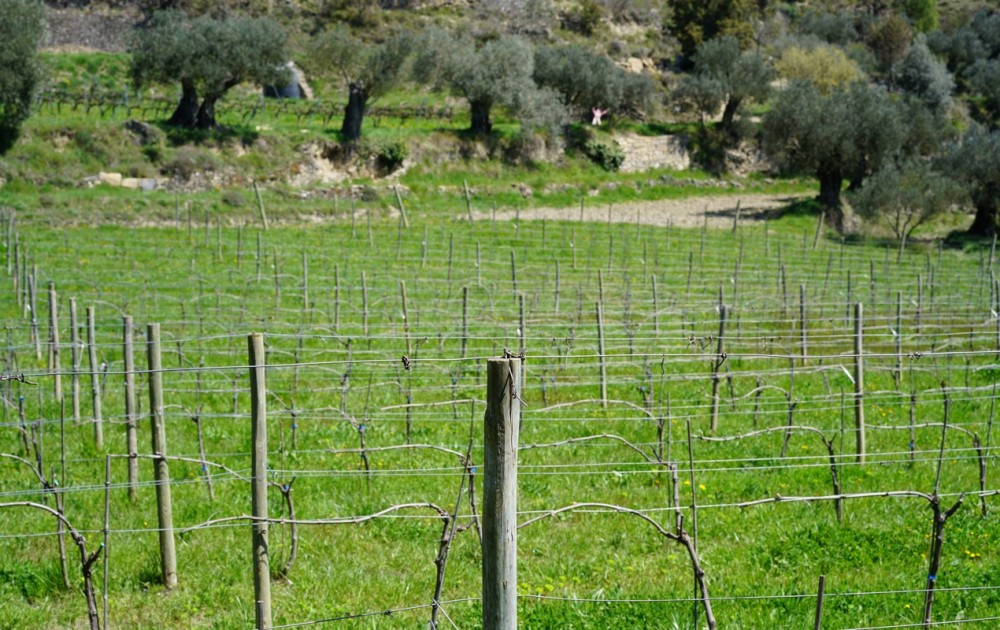
Jorge Olivera works in Coscojuela de Sobrarbe, a small village in the pre-Pyrenees of Aragón, where vineyards once played a central role in local life before largely disappearing in the second half of the 20th century due to rural exodus and changing agricultural practices. Today, only fragments of this past remain, with scattered old vines and the memory of a once-thriving wine culture.
Against this backdrop, Jorge began his project in 2009, planting vines on family land with the simple idea of making wine again in a place where it had nearly ceased to exist. Initially a personal endeavour alongside his career as a mechanical engineer, the project gradually took shape over more than a decade of experimentation and self-directed learning. Entirely self-taught, he developed his approach through tasting, observation and intuition rather than formal training.
His early wines were produced in small quantities from 2011 for friends and family, before the construction of a modest winery and the decision, around 2022, to dedicate himself fully to viticulture and winemaking. This transition marked the beginning of a more visible phase for the project, though production remains deliberately limited.
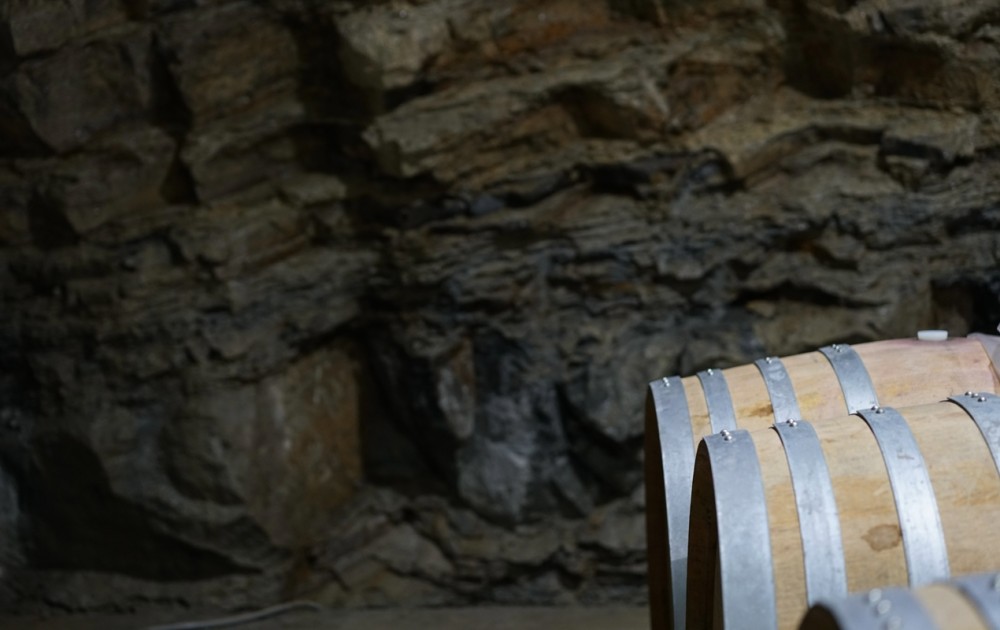
Working on a small surface of replanted and recovered vineyards, Jorge focuses on local varieties such as Moristel, Parraleta and Garnacha, seeking freshness, drinkability and balance rather than power. Farming follows organic and biodynamic principles, with manual work in the vines and a strong emphasis on soil health and long-term sustainability. In the cellar, intervention is kept to a minimum, with spontaneous fermentations and a clear intention to produce honest, unforced wines.
Beyond the wines themselves, the project can be understood as a quiet act of reconstruction. Olivera is not only cultivating vines, but also reactivating a landscape and a cultural memory that had nearly disappeared. Working outside formal appellations and without a predefined model, he represents a broader movement of independent growers reshaping contemporary Spanish wine, one small-scale project at a time.
Jorge Latorre Olivera - the complete range
 Jorge Olivera Bodega y Viñedos
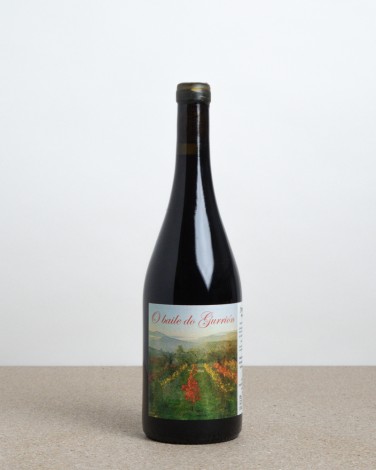
O baile du Gurrión, 2022
CHF 42.00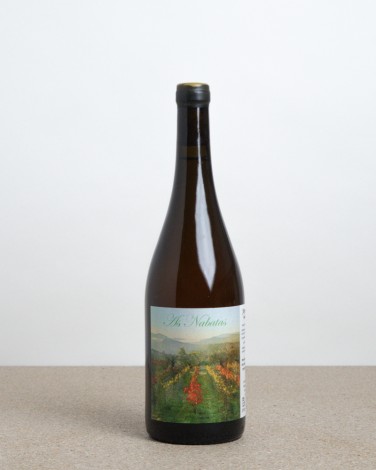 Jorge Olivera Bodega y Viñedos
As Nabatas, 2023
CHF 44.00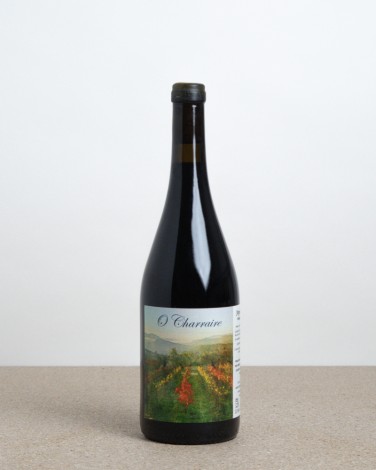 Jorge Olivera Bodega y Viñedos
O Charraire, 2023
CHF 42.00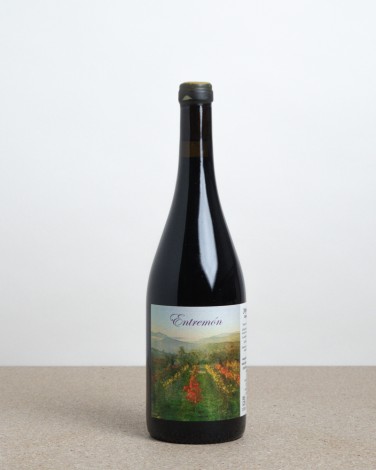 Jorge Olivera Bodega y Viñedos
Entremón, 2023
CHF 42.00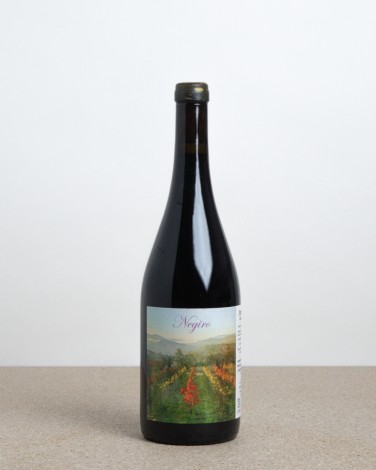 Jorge Olivera Bodega y Viñedos
Negiro, 2023
CHF 42.00
A Forgotten Grape of Aragón
Moristel is one of Aragón’s oldest native grape varieties, rooted in the foothills of the Pyrenees, particularly around Somontano. Long before international varieties reshaped the region, it played a quiet but essential role in local viticulture, traditionally used in blends to bring colour, freshness and balance to wines. Over time, however, Moristel nearly disappeared. Its low yields, late ripening and sensitivity in the cellar made it less attractive in an era focused on productivity and stability. By the late 20th century, it was close to extinction, surviving only in scattered old vines.
Today, Moristel is slowly being rediscovered. Still rare and mostly confined to Aragón, it is increasingly vinified on its own, revealing a different expression of Spanish reds, lighter in body, marked by freshness, floral notes and vibrant red fruit. More than a curiosity, it stands as part of a broader movement to recover local varieties and reconnect with the historical identity of the region.
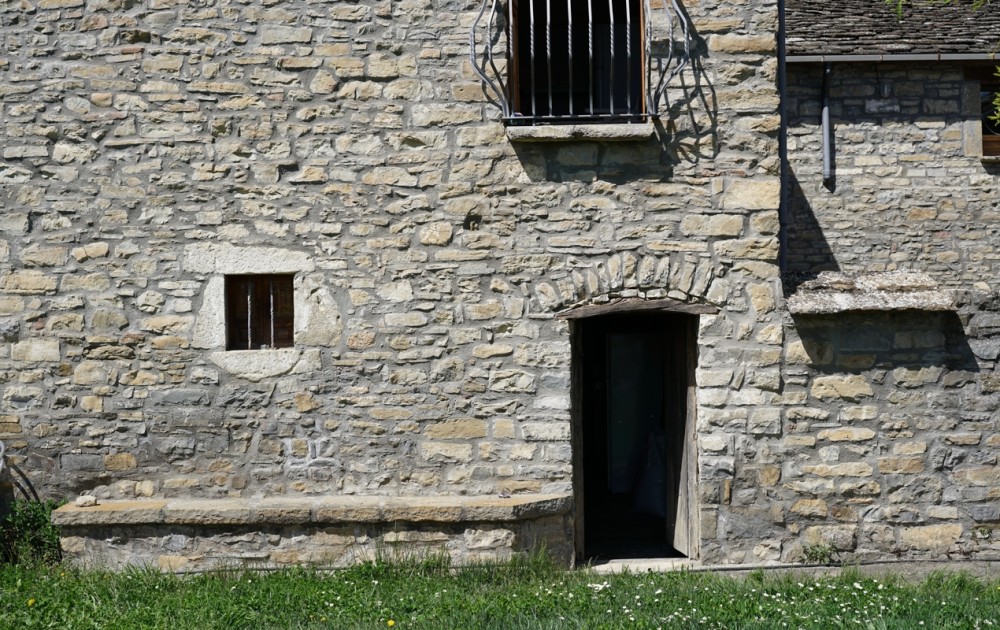
The village of Coscojuela de Sobrarbe, Spain